~ Shivani Pasupathy Iyer
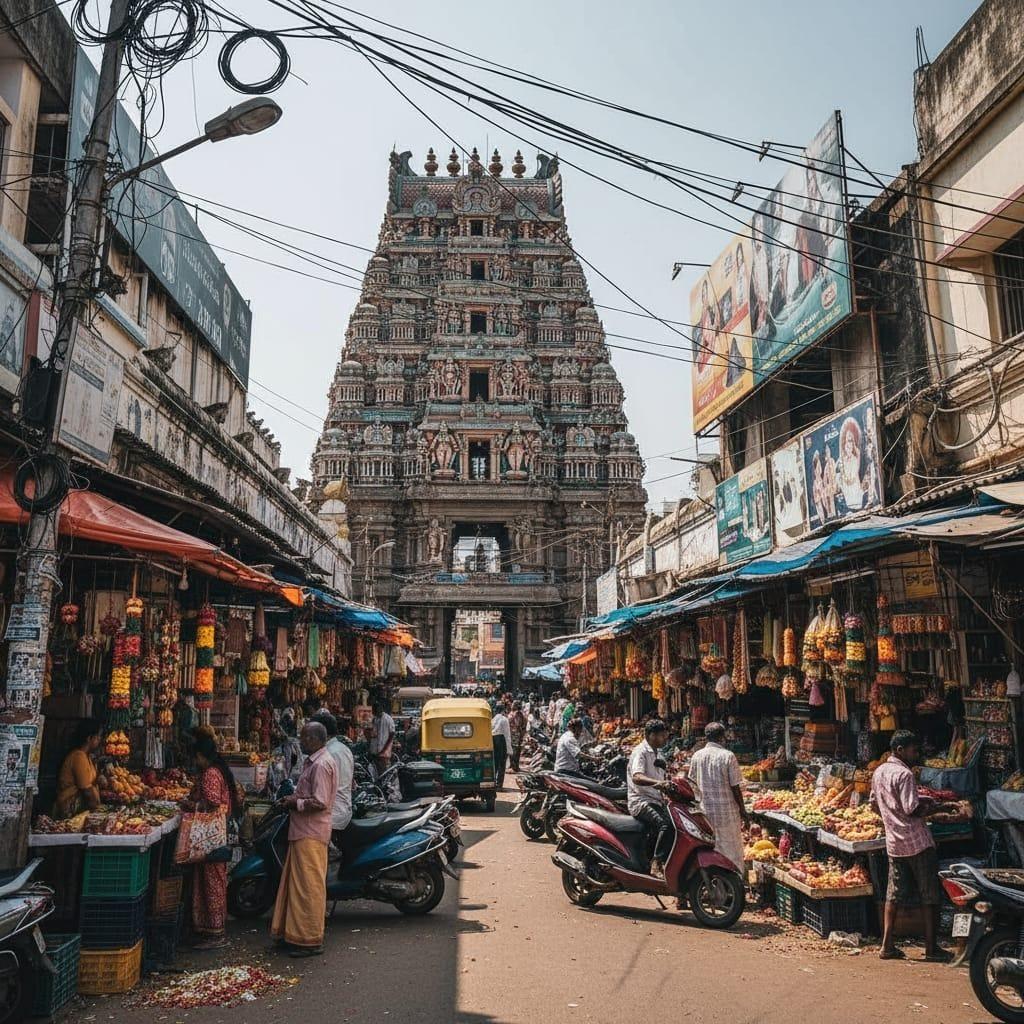
Madurai. One of the world's oldest city. Home to the Meenakshi Amman Temple. Cradle of Tamil civilization for over 2,500 years. But rapid urbanization, a shrinking Vaigai River, vanishing green cover, and an overwhelmed waste system are pushing this ancient city toward a modern crisis.
👉 Madurai's future depends on reviving its past—ancient canal wisdom, native ecology, and disciplined urban planning must come together to save the city from flooding, heat, and waste collapse. 🌊 Water Quality & Extreme Scarcity
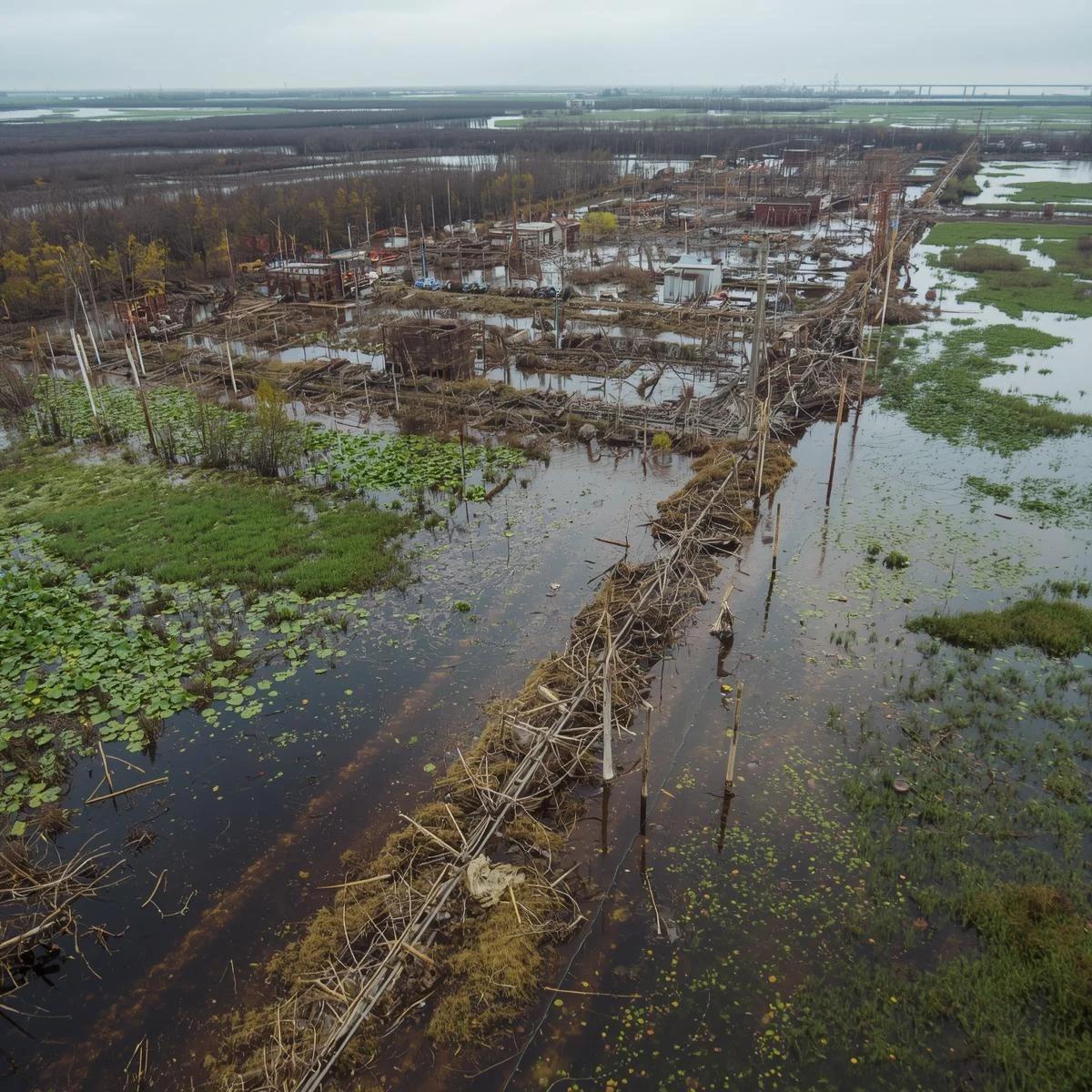
Madurai's ancestors engineered a canal network that once managed monsoon flow with remarkable precision
. ● Ancient canal networks clogged, built over, or forgotten
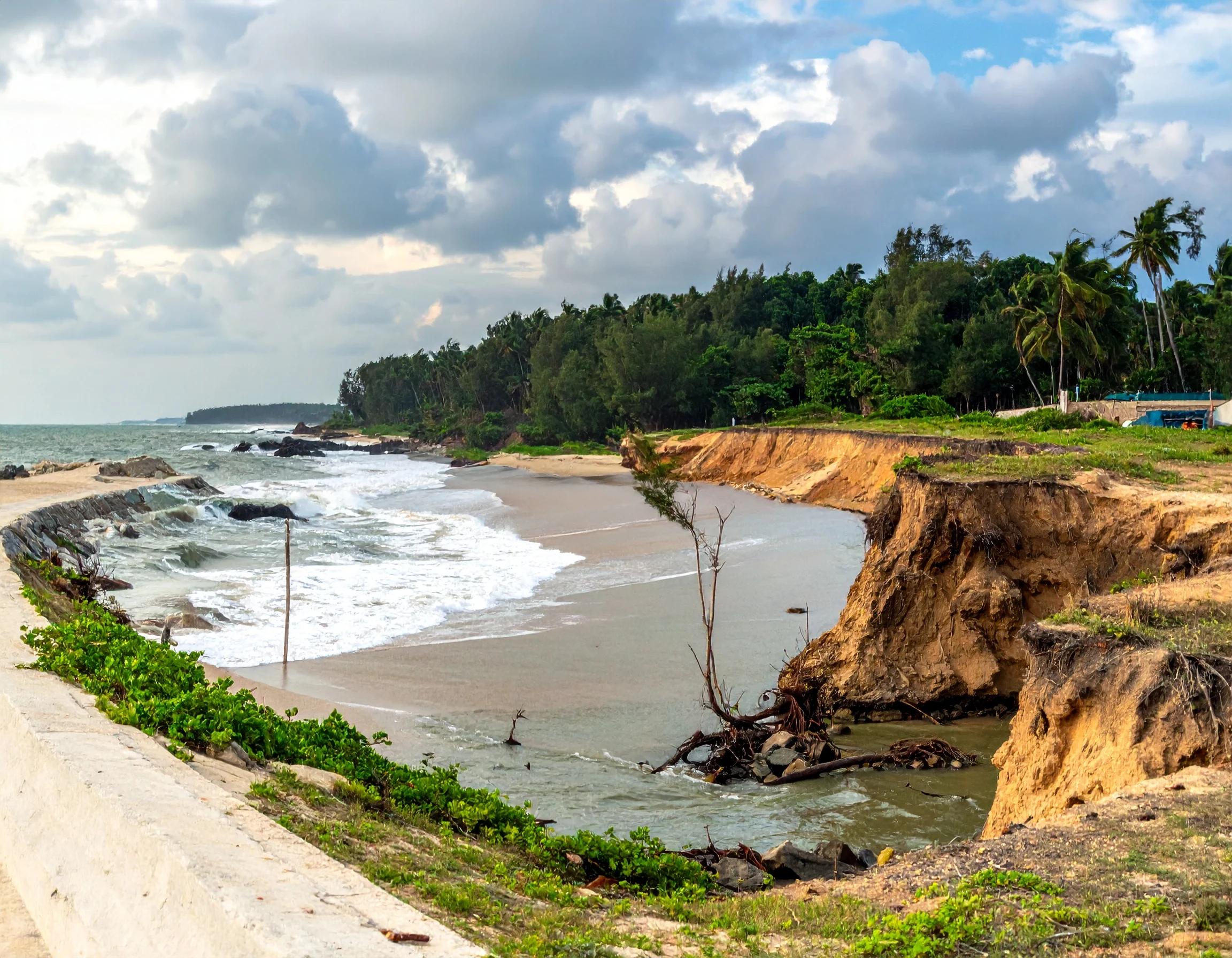
● Encroachments along the Vaigai narrowing natural floodplains
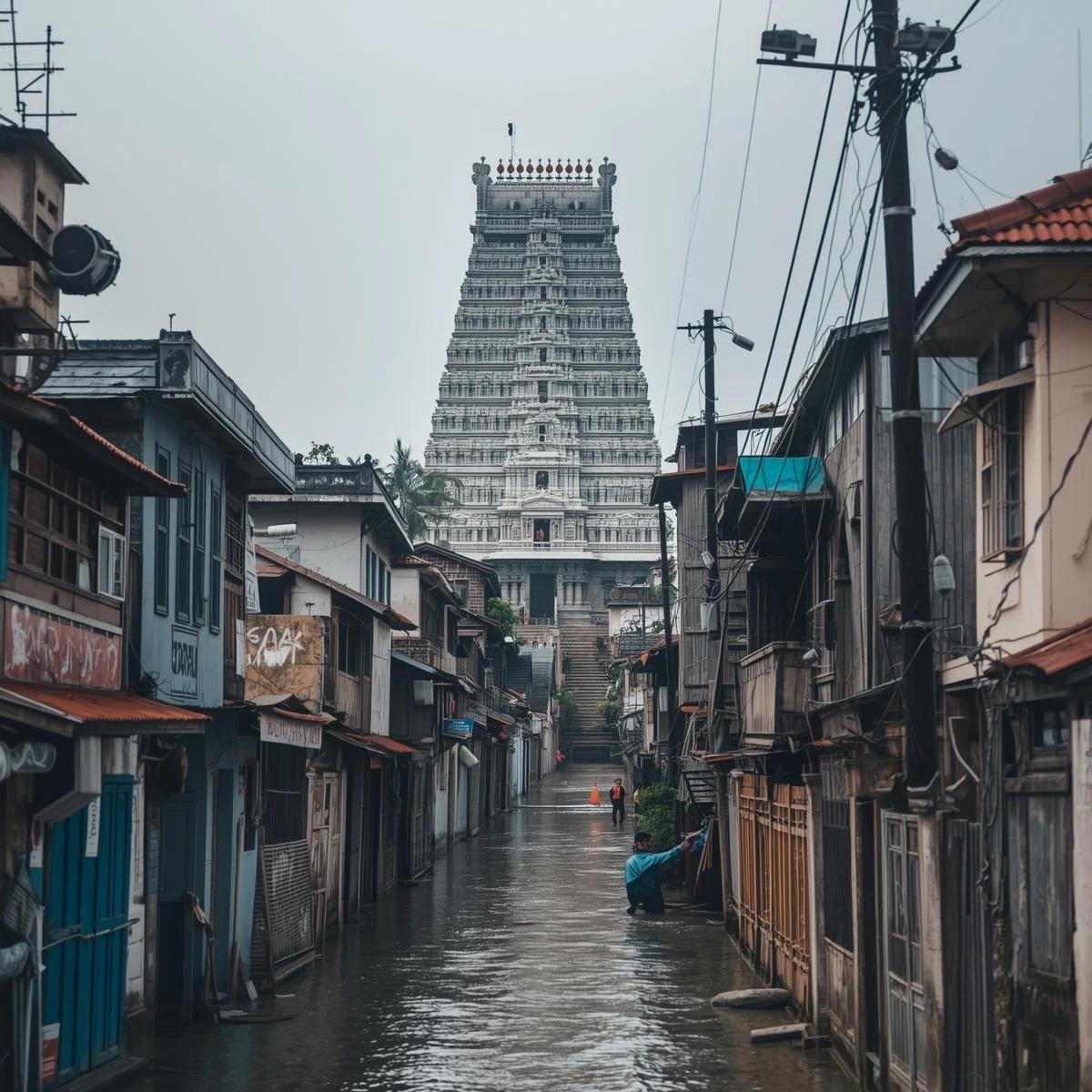
● Stormwater with nowhere to go during peak monsoon
● Flash flooding increasingly frequent in low-lying wards
● Natural drainage intelligence replaced by unplanned concrete
A river that once nourished and protected the city now threatens it. When ancient flow paths are blocked, water finds new paths—usually through people's homes.
🌳 Degrading air quality
Madurai's summers are no longer just hot—they're dangerous. As tree cover shrinks and concrete spreads, the city is trapping heat it can no longer release.
● Urban heat island effect intensifying in commercial cores
● Native tree cover declining, replaced by hardscape and parking
● Rooftop temperatures pushing indoor cooling costs up
● Heat stress rising for outdoor workers and vendors
● Green public spaces shrinking as land pressure grows
Heat isn't just discomfort—it's a public health emergency. Vulnerable communities without access to shade or cooling bear the worst of it.
🛣 Rapid urbanisation
As Madurai expands along its highway corridors, unregulated construction is outpacing the city's sewage and drainage capacity—setting the stage for the next infrastructure failure.
● Unplanned development along expanding highway corridors
● Zoning laws poorly enforced amid rapid commercial growth
● Aging underground sewage systems built for a smaller city
● Overflow and leaks contaminating groundwater and streets
● New construction adding load without matching infrastructure upgrades.
Growth without governance creates fragility. Every new building without a matching drainage upgrade is a future overflow point.
♻ Decentralised Waste Management
Madurai generates enormous volumes of waste daily, and centralized dumping has reached its limit—polluting land, air, and groundwater alike.
● Open dump yards releasing toxins and methane
● Centralized waste systems unable to keep pace with daily volumes
● Informal waste burning worsening air quality
● Bio-mining backlogs at legacy dump sites
● Waste segregation inconsistent at the source
Open dumping isn't just an eyesore—it's a slow-burning public health and environmental hazard for nearby communities.
✅ What Madurai Needs
Blue-Green Revival: Canal desilting, encroachment clearance, floodplain protection, wetland buffer zones.
Urban Cooling: Native tree drives, mandatory green roofing, shaded public infrastructure, worker heat protocols.
Disciplined Growth: Enforced zoning, sewage modernization, drainage-linked building approvals, leak monitoring
Circular Waste Systems: Decentralized waste-to-energy, automated bio-mining, source segregation, dump-yard elimination
Institutional Will: Cross-department coordination, community participation, transparent monitoring, sustained funding.
💪An Ancient City Deserves a Resilient Future
Madurai has survived two and a half millennia by adapting. The Pandyas understood water. Today's Madurai must relearn that intelligence—pairing ancient engineering wisdom with modern climate science. This isn't just about avoiding the next flood or the next dump-yard crisis. It's about ensuring one of humanity's oldest living cities remains livable for millennia more.
Powered by Mole. AI Agent for SEO & GEO