The sea gave Mumbai its shape. Climate change and human interference are changing that relationship. Here's what's at risk, and what coexistence could look like.
Madurai. One of the world's oldest city. Home to the Meenakshi Amman Temple. Cradle of Tamil civilization for over 2,500 years. But rapid urbanization, a shrinking Vaigai River, vanishing green cover, and an overwhelmed waste system are pushing this ancient city toward a modern crisis.
Jaipur shines globally as a masterpiece of royal architecture and living culture. Renowned for its blushing palaces, bustling bazaars, and vibrant art, the Pink City draws millions into its timeless charm. Yet, behind this majestic curtain, a silent emergency brews. Soaring concrete landscapes, acute water scarcity and choking pollution are rapidly pushing this iconic tourist spot to its absolute breaking point.
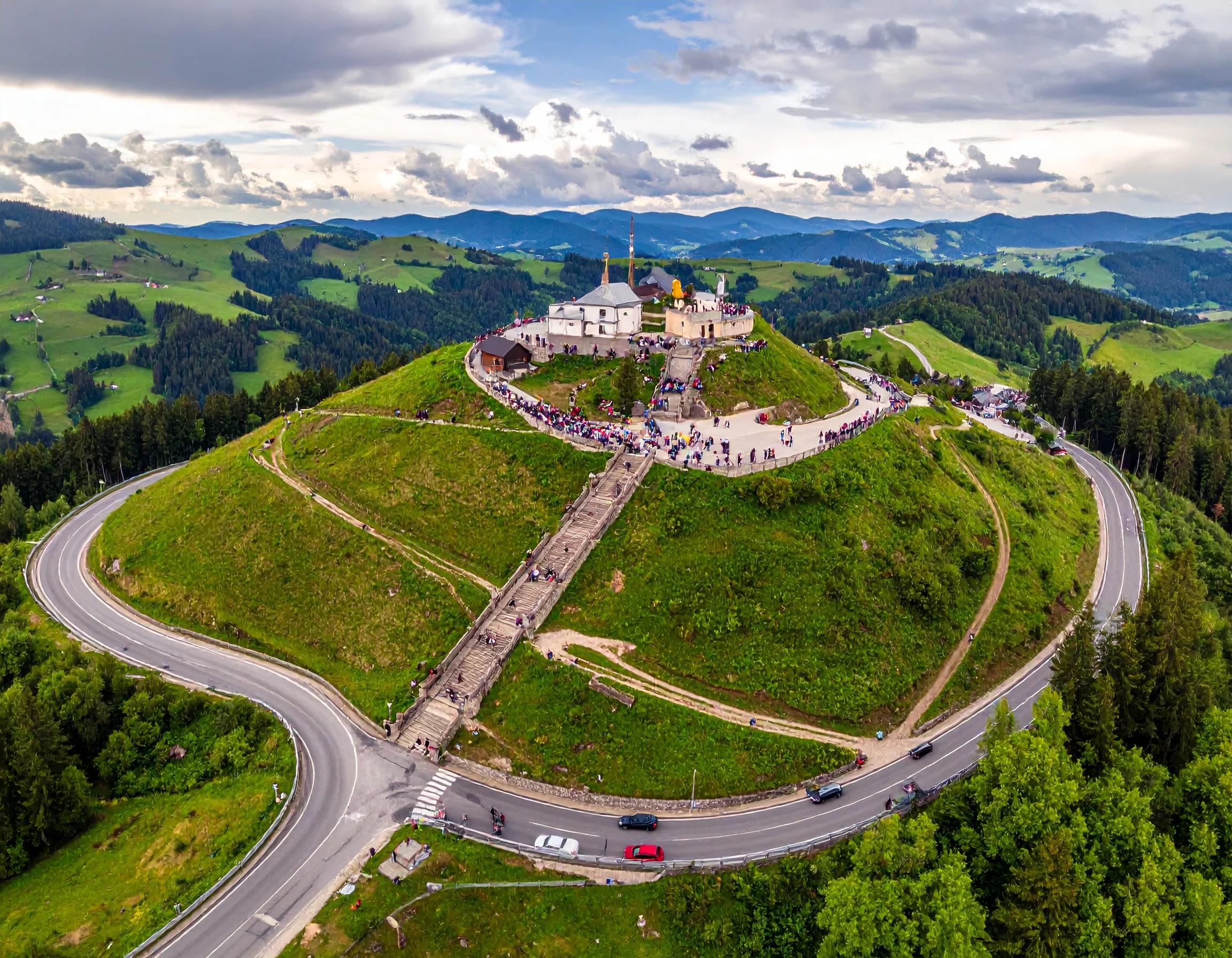
St. Thomas Mount’s sacred and historic hilltop is under siege, overwhelmed by traffic, development, and environmental degradation, threatening both heritage and community life.
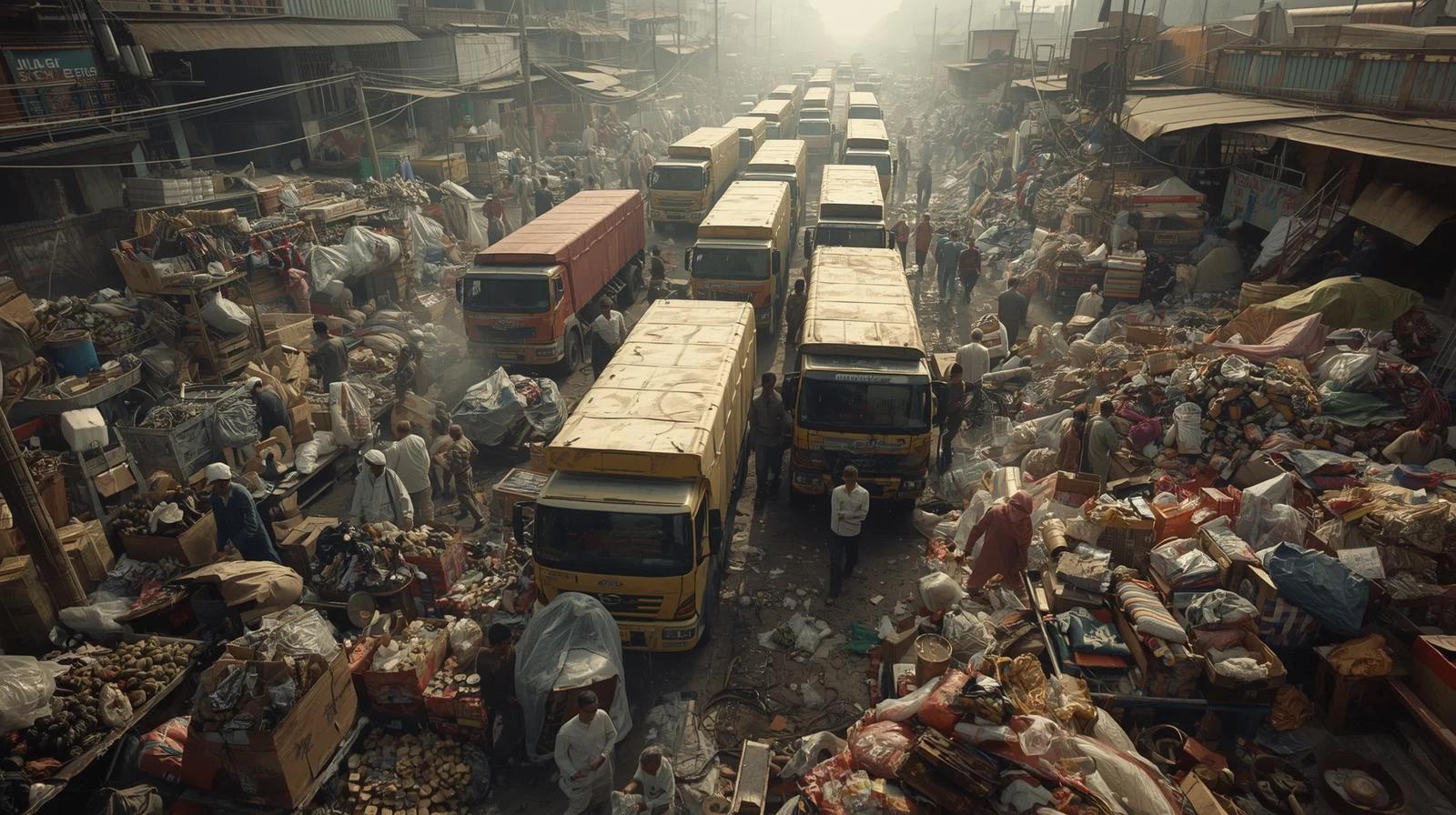
Koyambedu—Chennai's largest wholesale market—faces permanent traffic gridlock from thousands of daily trucks blocking roads and residential streets, mountains of rotting organic waste creating health hazards, infrastructure collapse from market activity overwhelming water, sewage, and drainage systems, and constant noise and air pollution destroying livability for surrounding residents while undermining market efficiency.
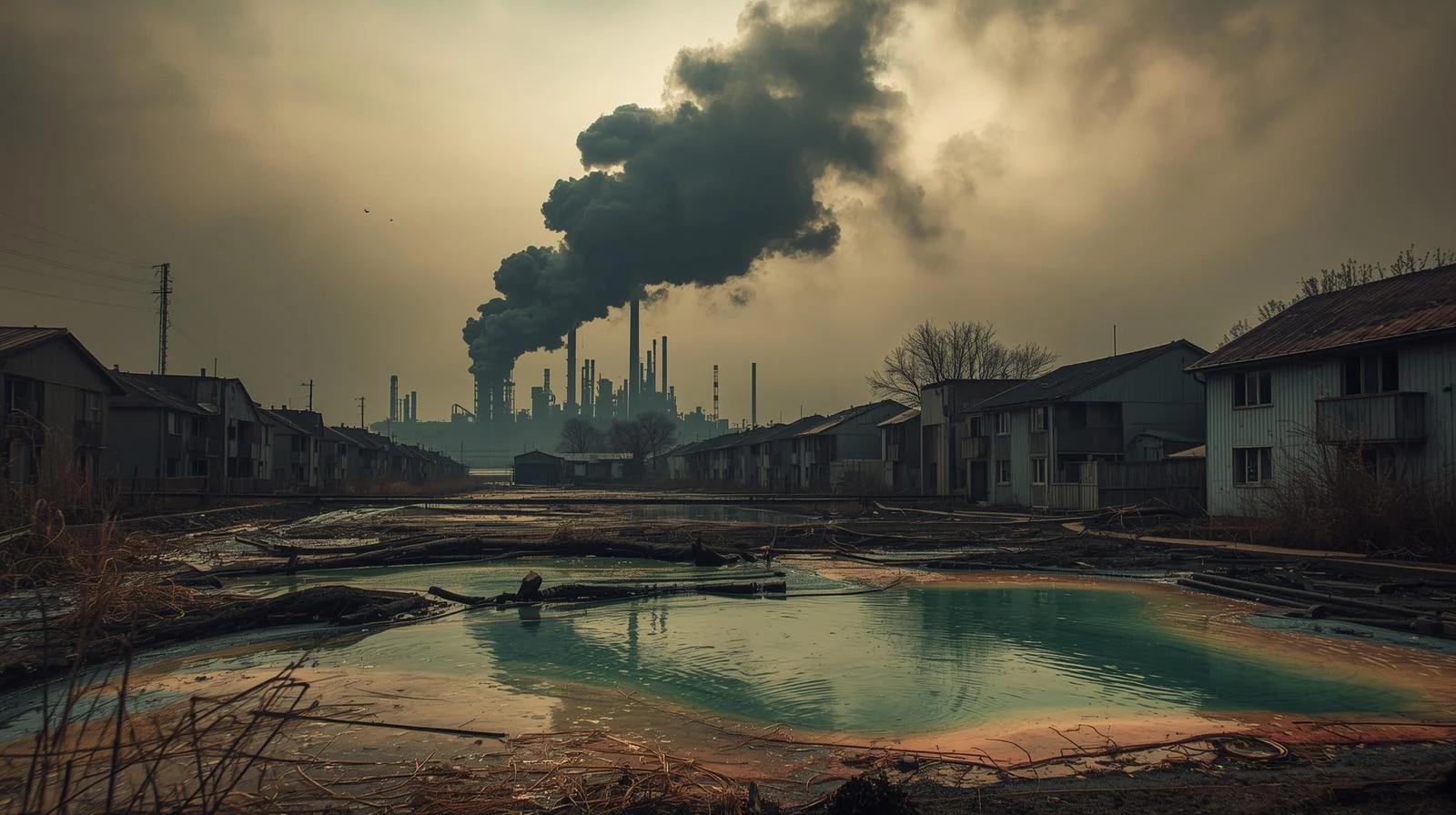
Manali—Chennai's petrochemical hub with refineries, fertilizer plants, and thermal station—is an industrial sacrifice zone where residents suffer catastrophic air pollution from toxic emissions, groundwater contamination destroying wells and livelihoods, residential areas adjacent to polluting industries without buffer zones, cancer clusters, and respiratory disease epidemics while industries operate without adequate pollution control or accountability.