~Nethra Mani
When one thinks of Mumbai, images of heavy monsoons and the relentless pace of life come to mind immediately. These are defining features of the island city, but Mumbai is much more than that. It's a city that thrives on resilience, where the spirit of its people shows through every challenge, whether that means resuming daily routines after a stormy monsoon or coming together to celebrate festivals. The local trains, the daily traffic and the narrow lanes all combine to give the city its unique character.
Beyond its modern skyline, Mumbai also carries deep historical significance. With landmarks like the Gateway of India and the Elephanta Caves, it is not just a financial capital but also a custodian of culture and history.
Through all of this, one force has remained constant since the very beginning: the sea.
A City Born from the Sea
Mumbai wasn't always a single landmass. A group of seven islands was gradually joined over centuries through land reclamation to form the city as we know it today. Ever since, the sea has been Mumbai's gateway to the world: a channel for trade and commerce, a source of livelihood for fishing communities, and, for the rest of us, a place to breathe and unwind along the coastline.
However, the same sea that built and sustains Mumbai is now placing it at risk.
The Rising Risks
Climate change, combined with decades of unchecked construction and land reclamation, is putting real pressure on the city's coastline. Some of the biggest concerns are:
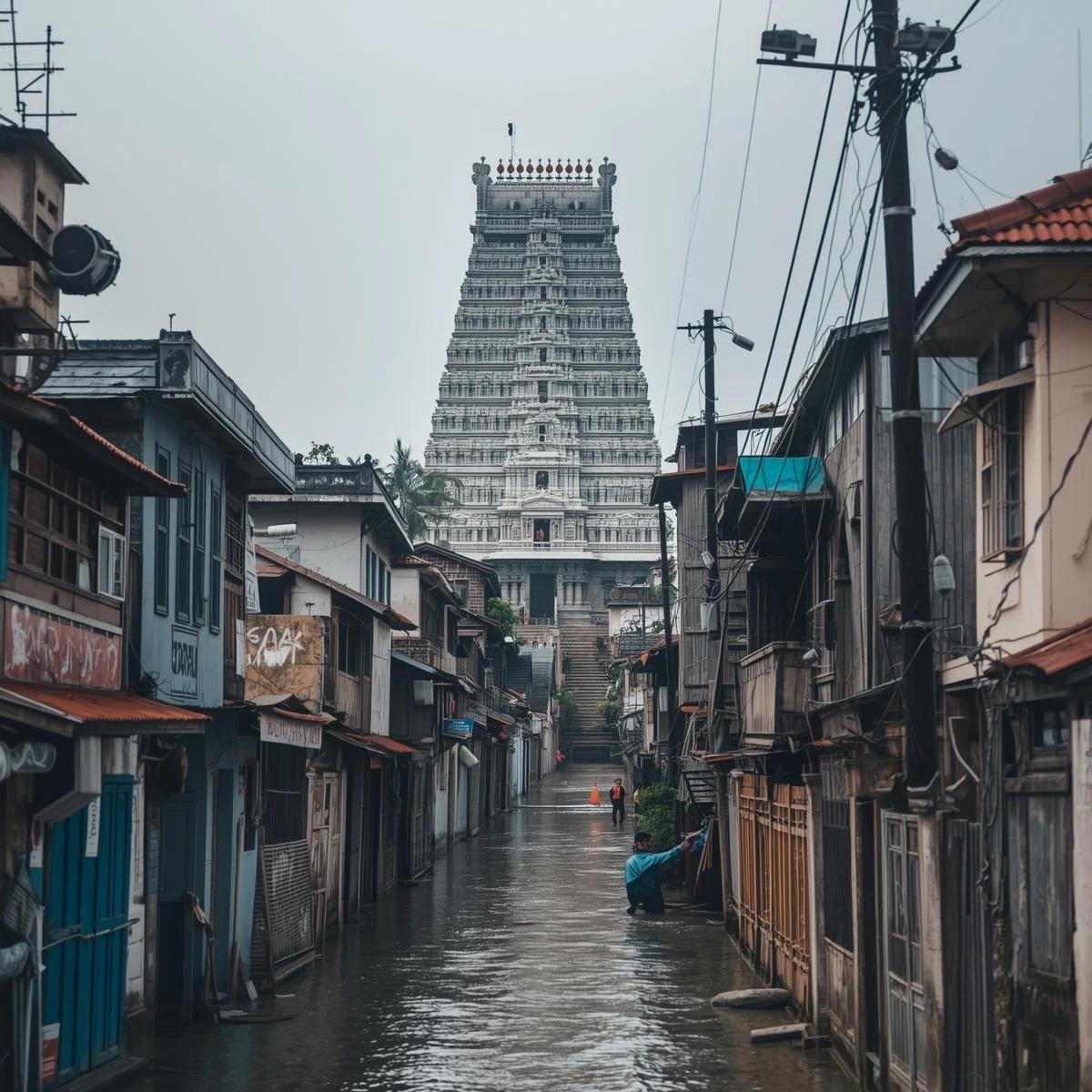
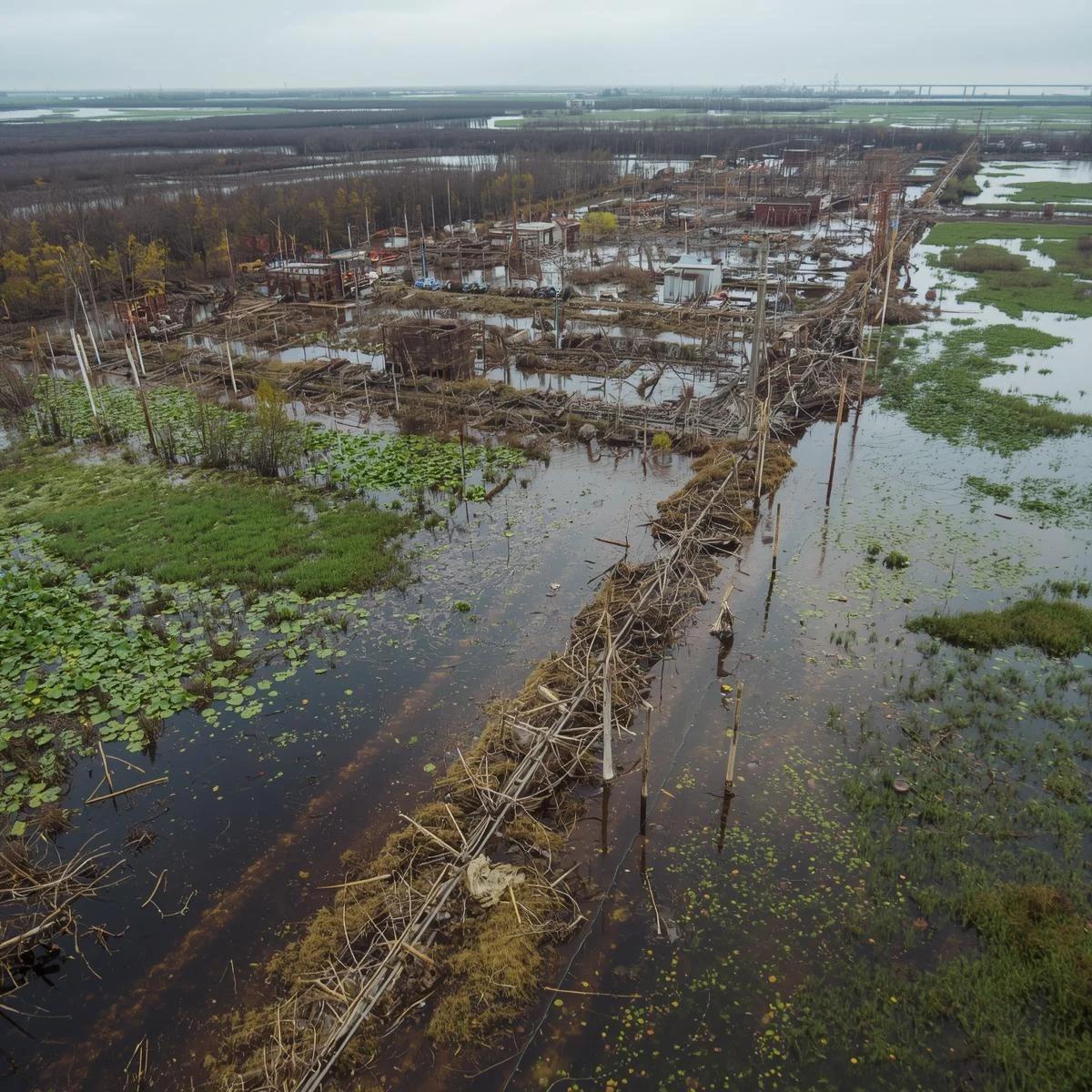
🌊 Flooding. Mumbai is a low-lying coastal city, which already makes drainage difficult. When heavy monsoon rainfall coincides with high tide, the water has nowhere to go, and the city has felt the impact of this combination more than once.
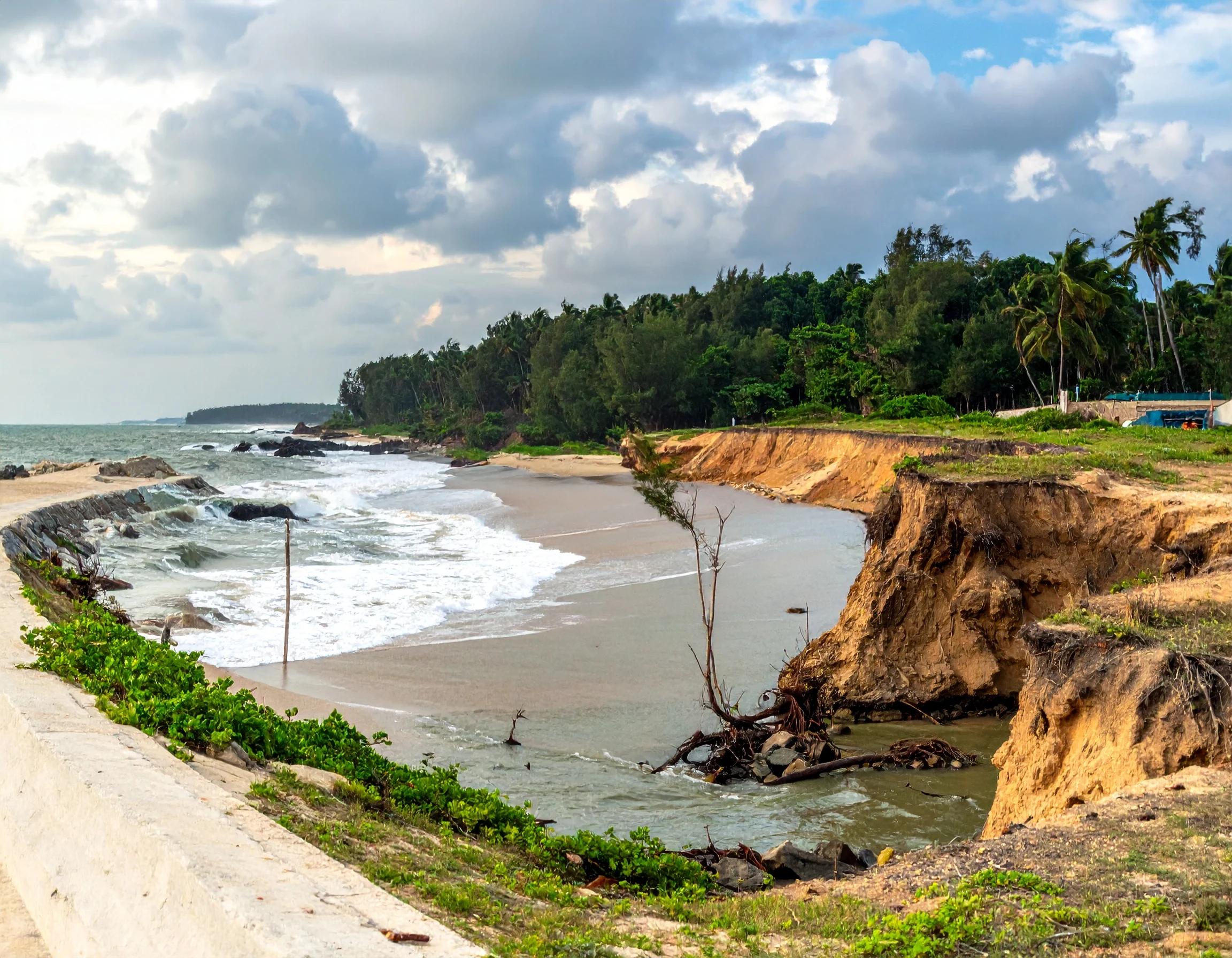
🏖️ Coastal erosion. Waves and currents are steadily wearing away the coastline and the structures built close to it. Reclamation and construction have also altered natural drainage patterns, which makes the problem worse.
🌿 Loss of mangroves. Mangroves act as a natural buffer against waves and storm surges, but development has gradually eaten into these ecosystems, leaving the coast more exposed than it should be.
💧 Saltwater intrusion. As sea levels rise, saltwater is increasingly seeping into freshwater sources and altering the composition of groundwater in coastal areas.
🛢️ Pollution of the sea. Plastic waste, untreated sewage, and oil and chemical runoff continue to flow into coastal waters, damaging the marine ecosystems on which the city and its fisherfolk depend.
Charting a More Sustainable Path
These risks can still be addressed but require deliberate and sustained action:
🏗️ Stronger drainage infrastructure: widening drainage channels, building flood-resistant structures, and restoring natural wetlands that can absorb excess water.
🗺️ Smarter coastal planning: restricting construction in high-risk zones and redesigning critical infrastructure to withstand flooding and erosion.
🌳 Mangrove protection and restoration: safeguarding what is left and actively restoring degraded mangrove cover as part of a long-term coastal development plan.
🚰 Groundwater protection: conserving freshwater sources and improving sewage treatment to prevent further saltwater intrusion.
🐟 Cleaner coastal waters: better sewage treatment, reduced plastic dumping, and awareness campaigns that help people understand why keeping these waters clean matters.
Learning to Coexist
Mumbai's future depends on how well we learn to coexist with the sea. This means planning and building with the sea in mind, and treating it as a partner rather than something to be conquered.
Each of us has a role to play in protecting Mumbai's coastline. Cutting down on plastic, supporting mangrove restoration efforts, or simply choosing not to look away: these small acts add up. The sea has supported Mumbai for generations, and now it's the city's turn to return the favour.
Powered by Mole. AI Agent for SEO & GEO