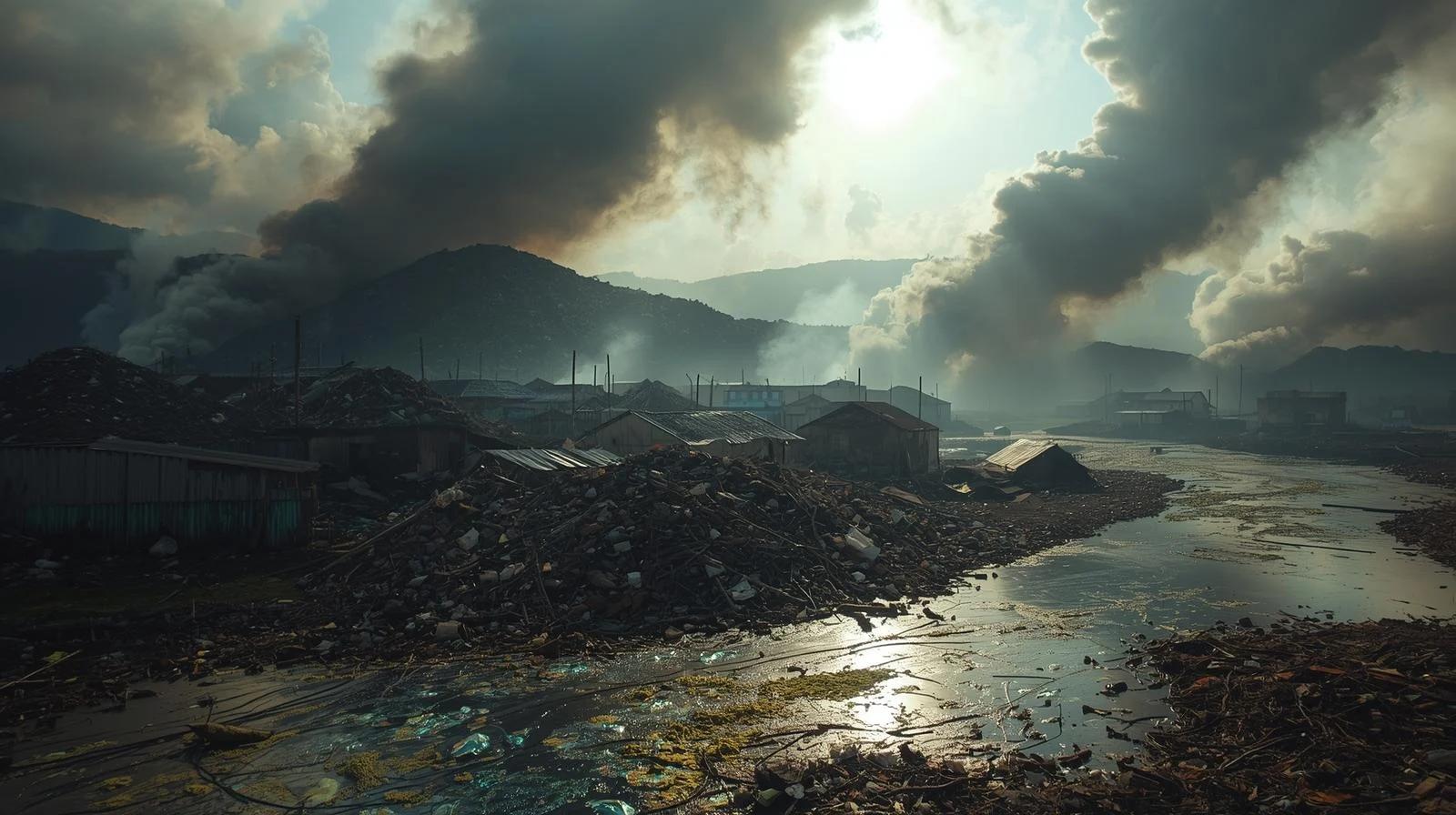
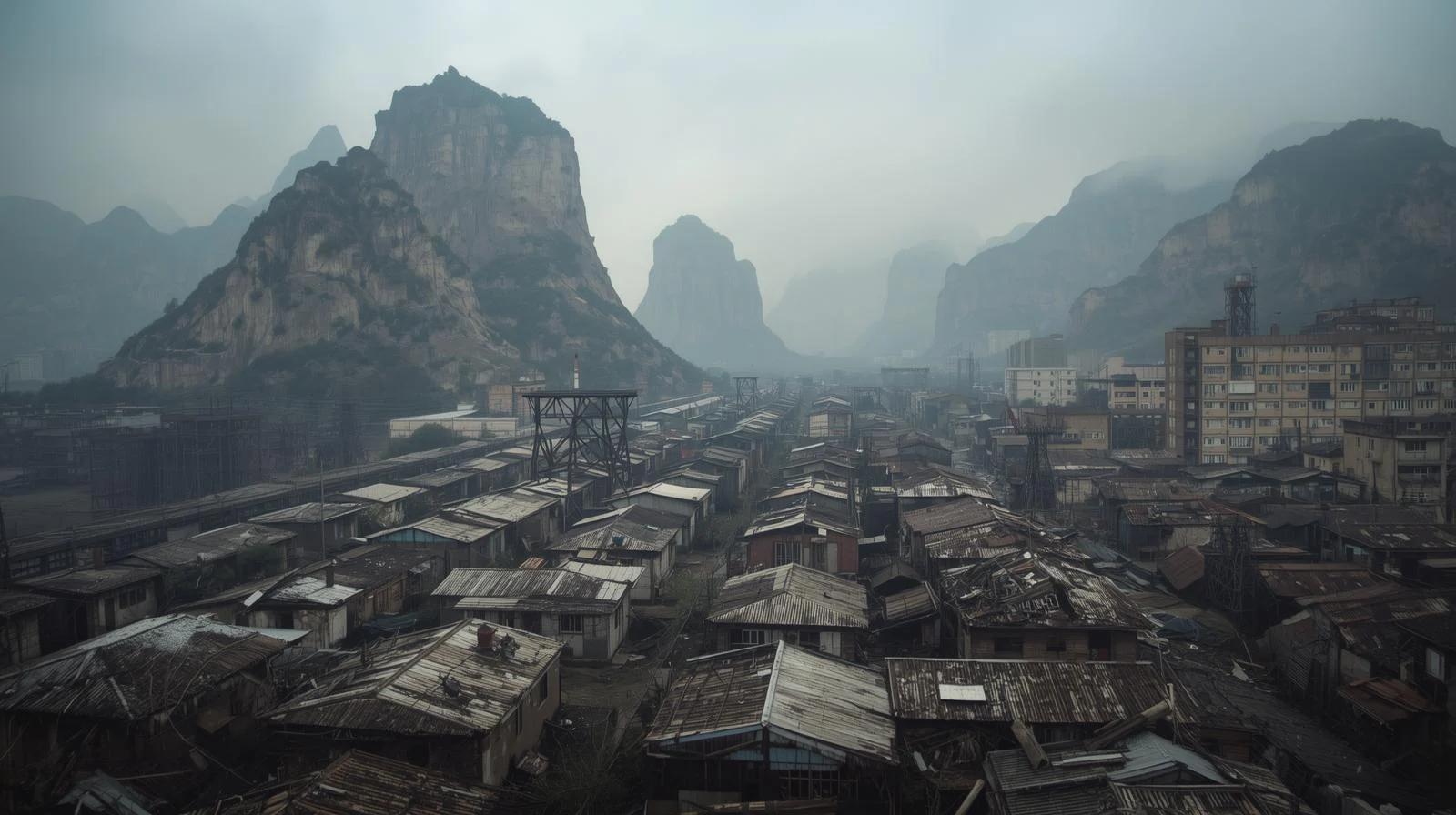
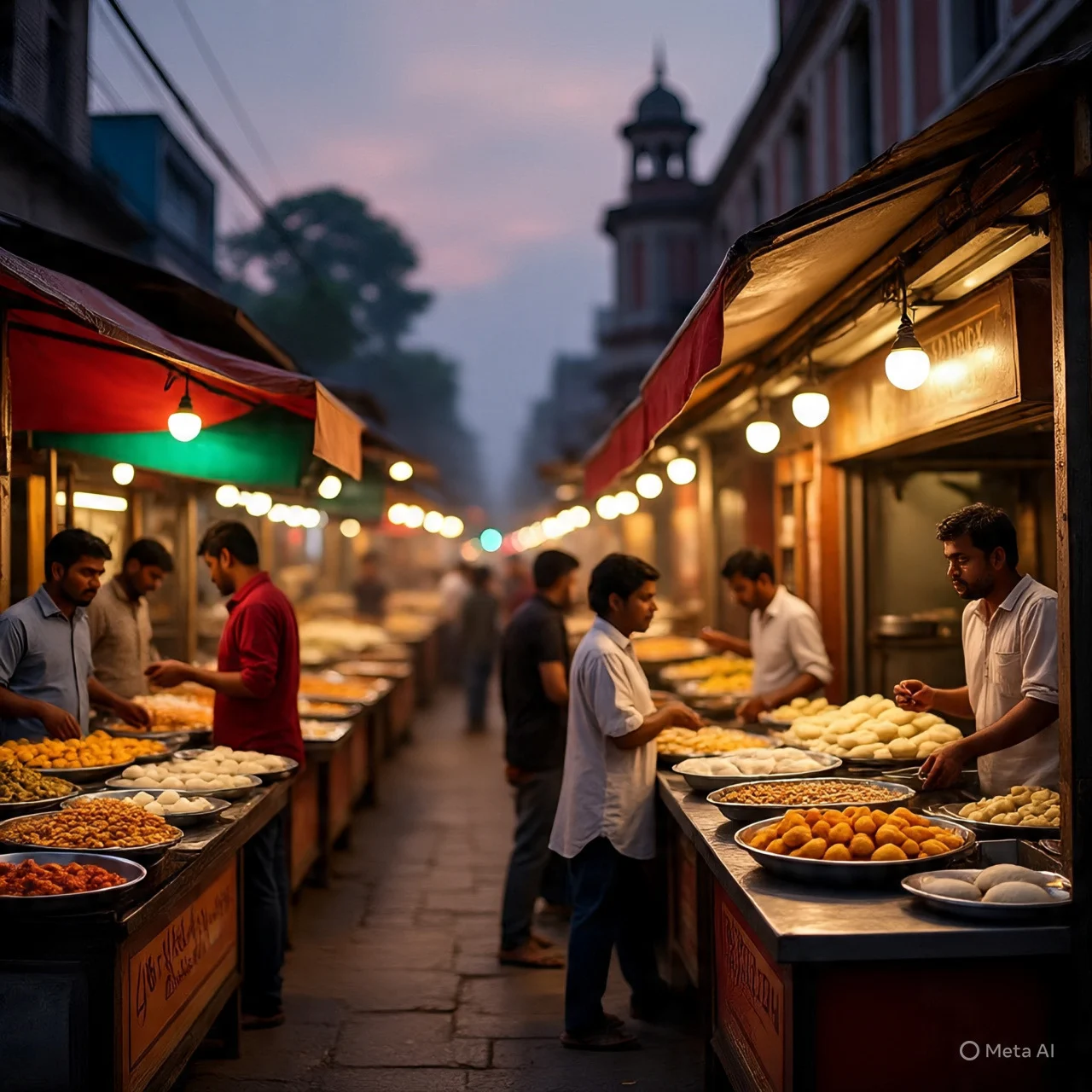
Kodungaiyur residents live beside Chennai's largest dump receiving 3,000+ tons daily, enduring constant foul smell, methane emissions, toxic leachate contaminating groundwater, frequent fires releasing poisonous smoke, respiratory diseases, and property value collapse—environmental injustice where poor communities sacrifice health for the city's waste without compensation or alternatives.
Kilpauk—Chennai's major medical hub with Government hospitals serving thousands daily—faces traffic gridlock delaying ambulances and emergency care, inadequate sanitation creating health risks, overcrowded facilities overwhelming healthcare workers, and infrastructure that can't support the massive patient volume, undermining medical excellence with systemic neglect.
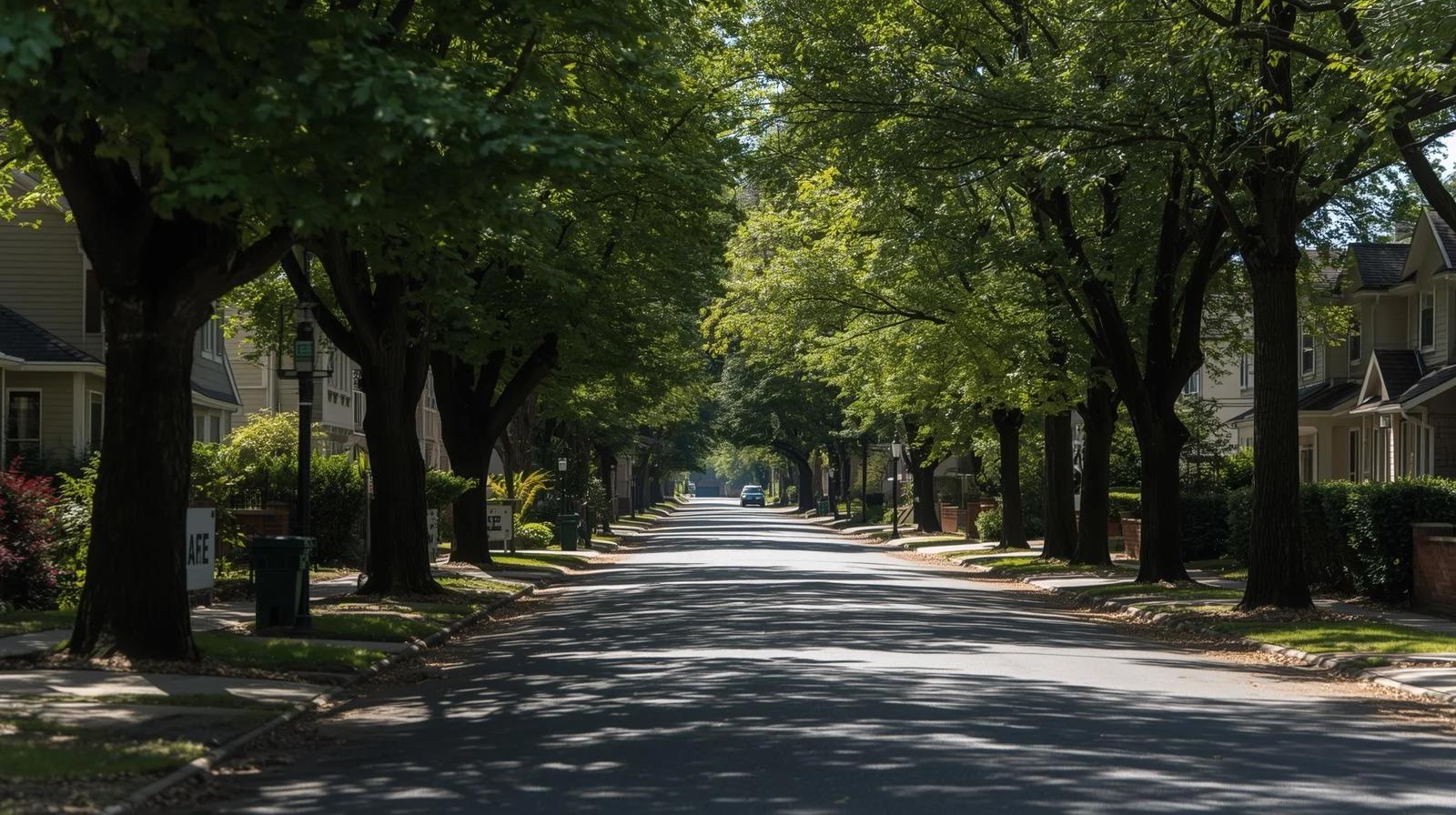
K.K. Nagar—an established middle-class residential area—faces gentrification driving rents beyond local affordability, traffic congestion destroying residential peace, infrastructure strain from development pressure, and threats to tree cover and parks, risking the affordable community-oriented character that defines the neighborhood.
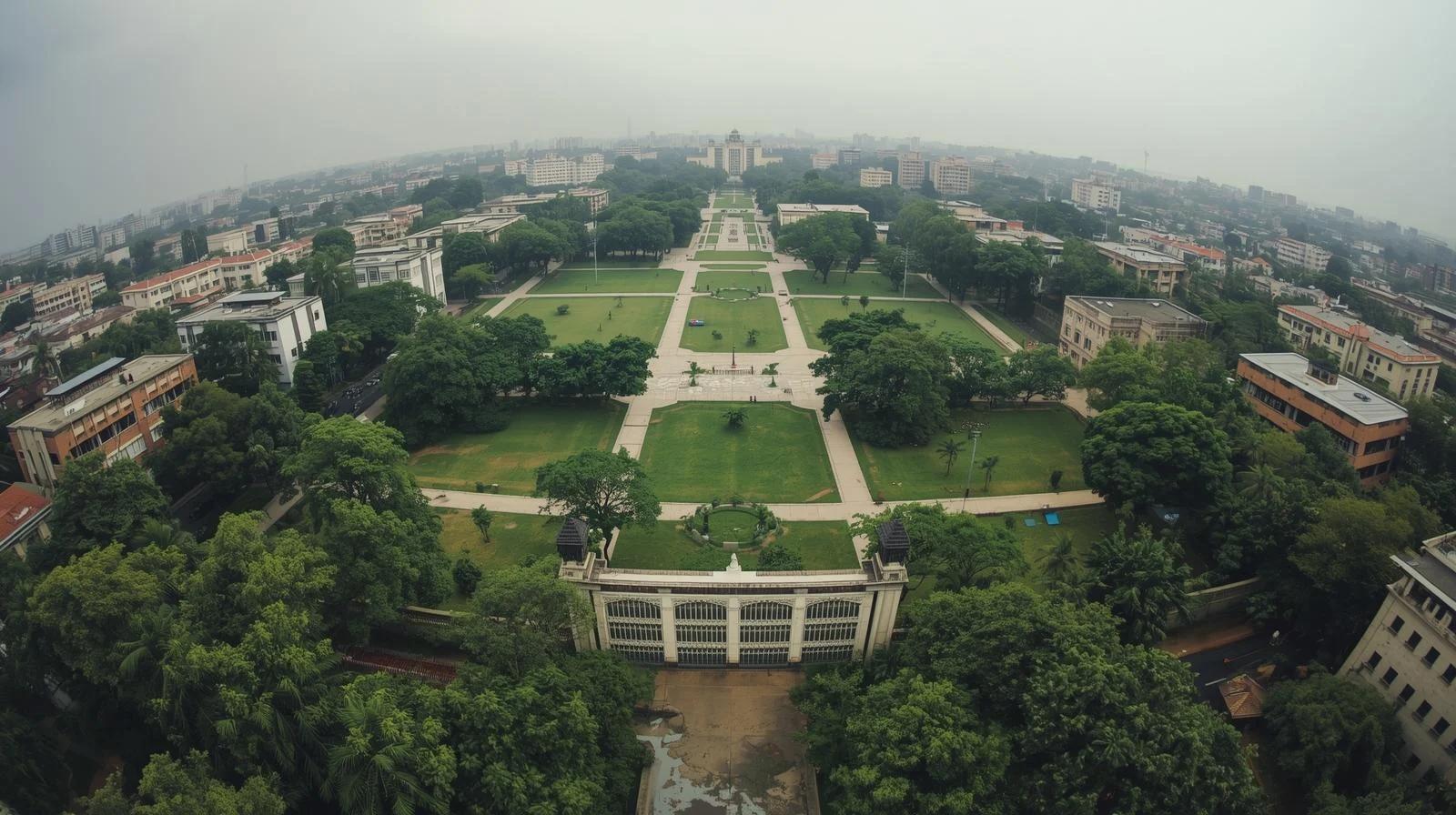
IIT Madras—occupying 388 acres carved from public Guindy forest—remains a fenced green oasis restricted to students and staff. At the same time, surrounding neighborhoods suffer concrete sprawl and environmental deprivation, symbolizing Chennai's green inequality, where public forest becomesan exclusive institutional privilege.
Guindy Industrial Estate—once Asia's first production cluster—is now a toxic wasteland with Chennai's highest noise pollution levels (72+ dB), mountains of unmanaged toxic waste, dangling electrical wires, chaotic truck parking, and systemic neglect by SIDCO, leaving workers exposed to poison without protection or accountability.
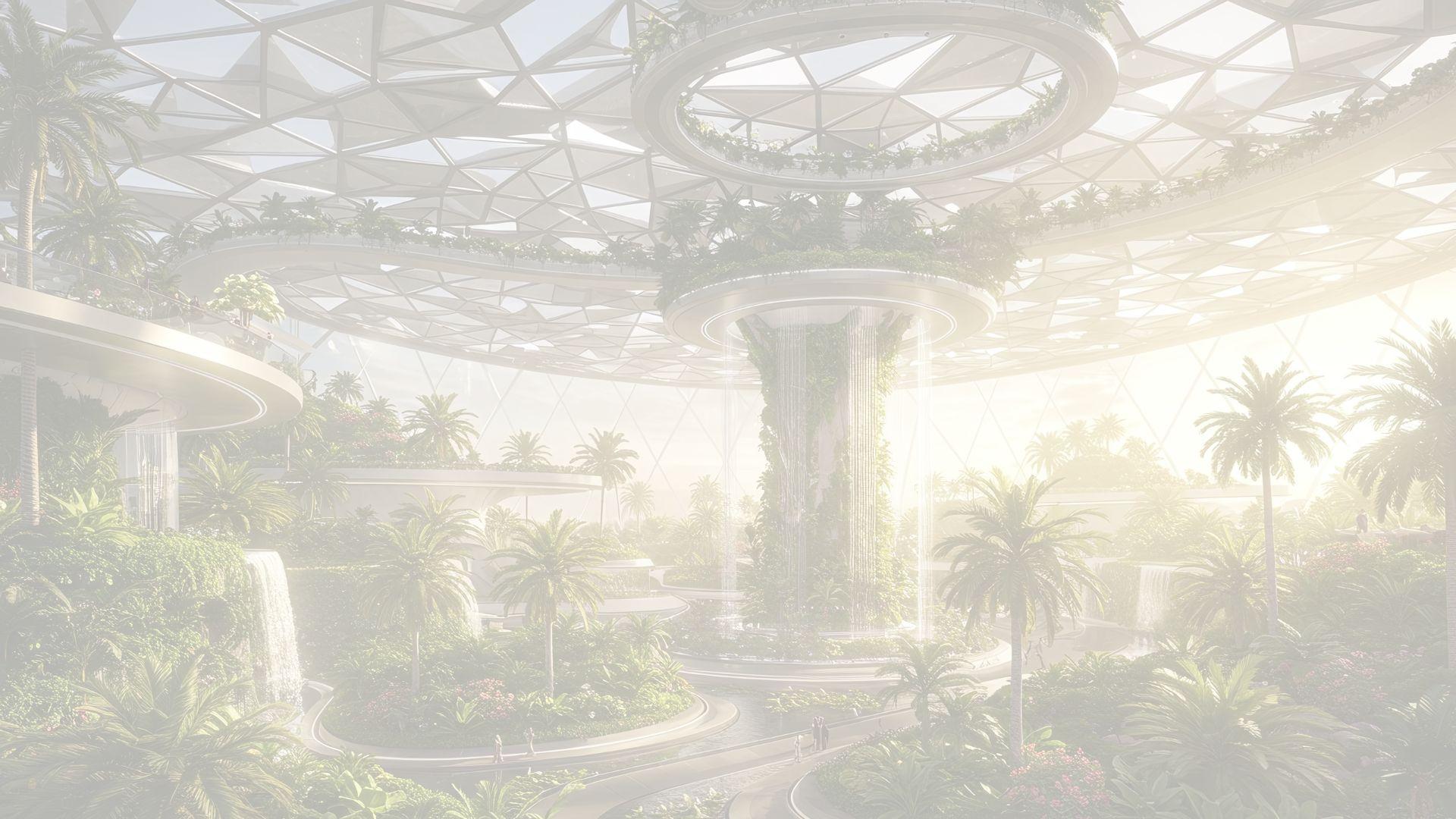
Parry's Corner—Chennai's chaotic commercial hub facing traffic gridlock, waste crisis, and zero public space—can transform into a model sustainable district through SDG 11 implementation: community-led task forces, in-situ housing upgrades, pedestrian-first streets, waste segregation at source, micro-parks and rooftop gardens, flood-resilient drainage, and participatory planning giving residents and businesses voice in their neighborhood's future.