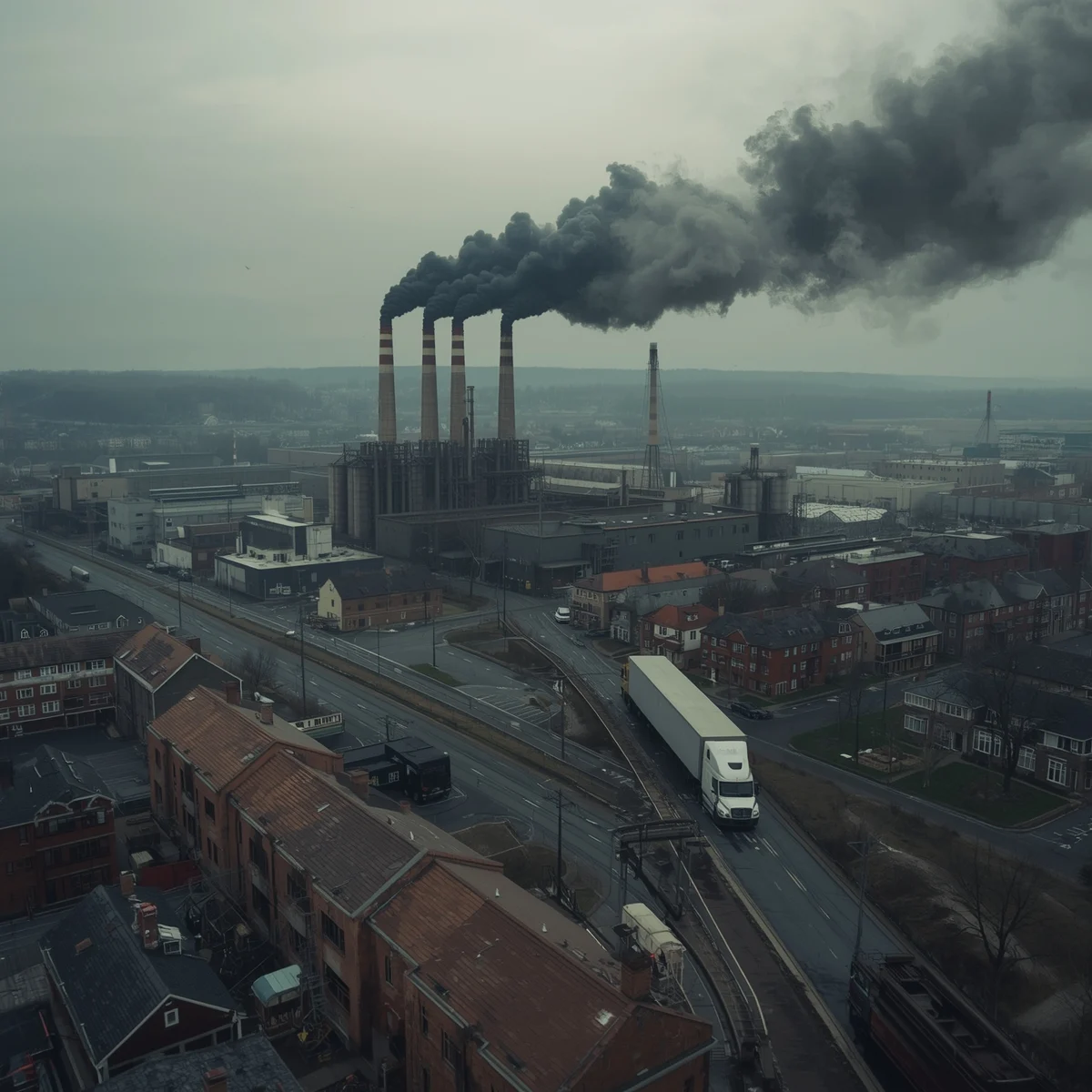
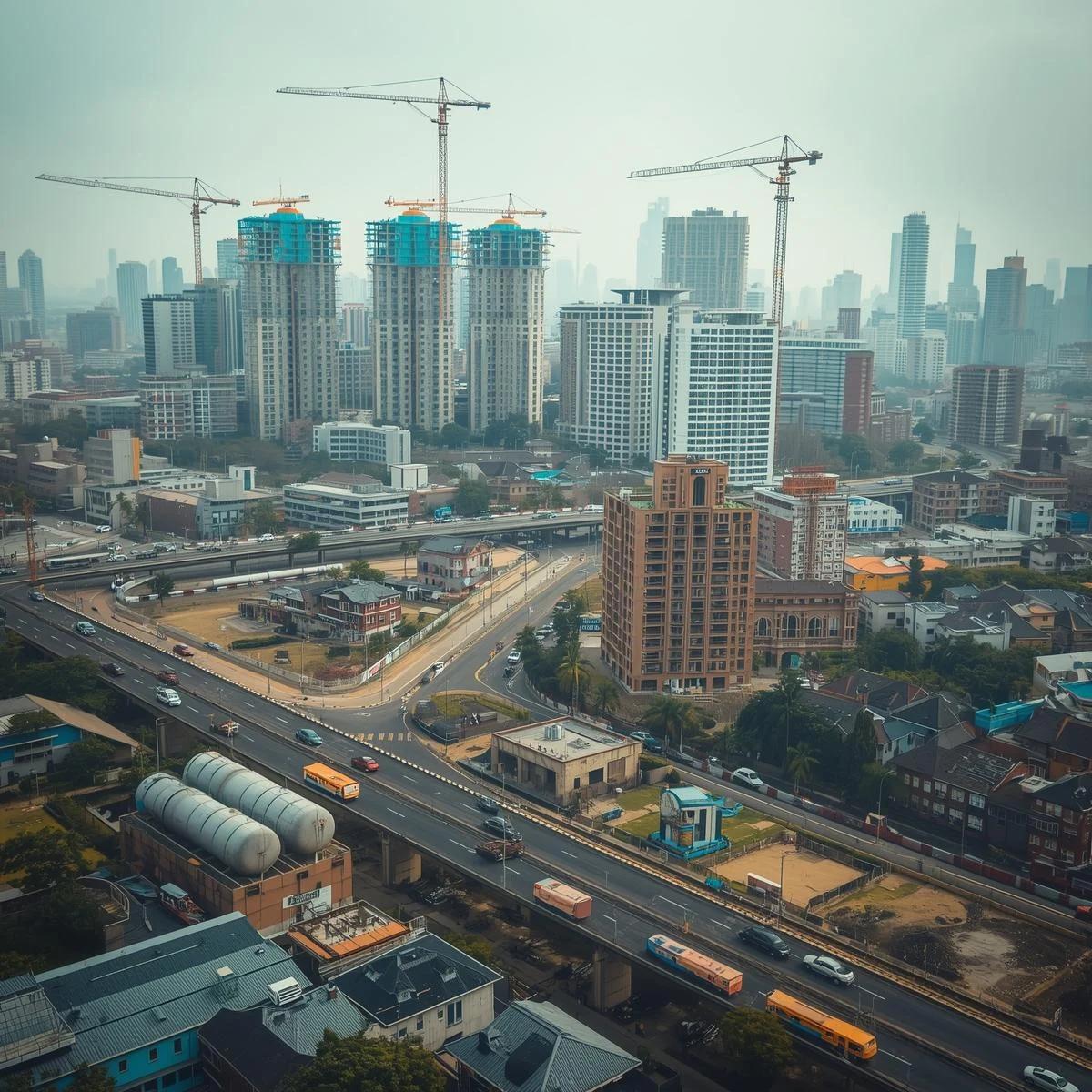
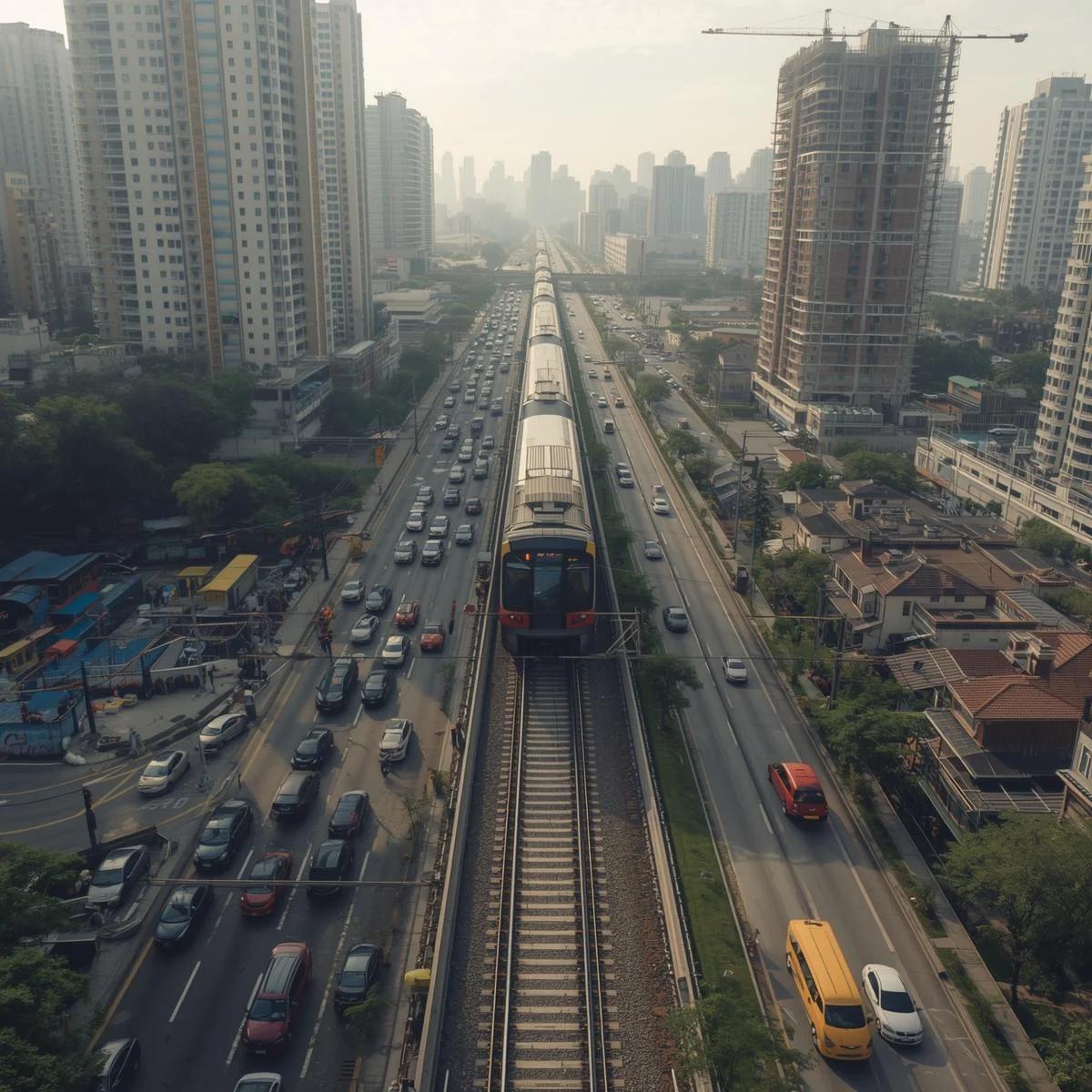
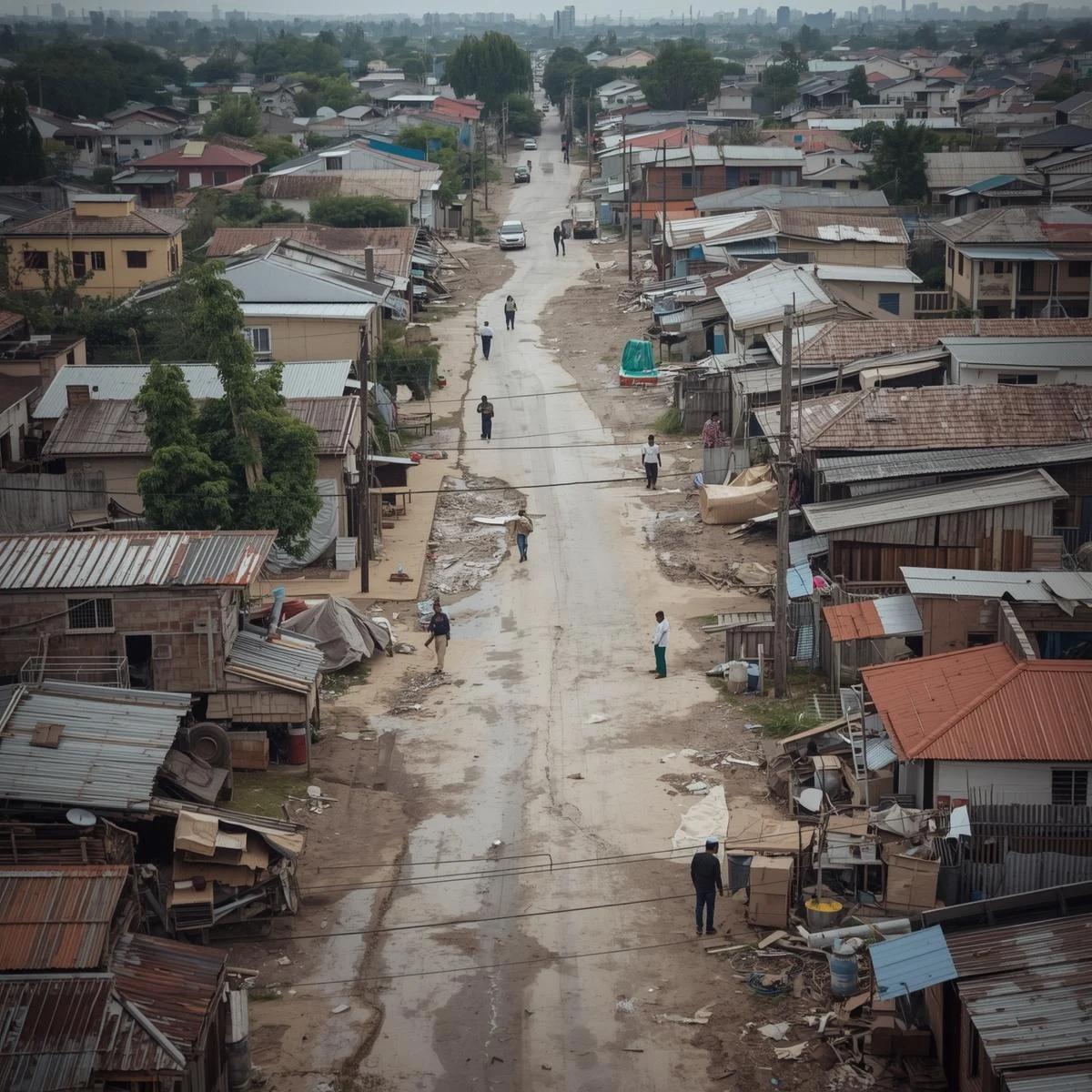
Velappanchavadi's mixed industrial-residential character creates severe pollution as factories operate without adequate environmental controls near workers' housing, causing air and water contamination, constant noise, heavy truck traffic through neighborhoods, and elevated health risks without buffer zones or enforcement.
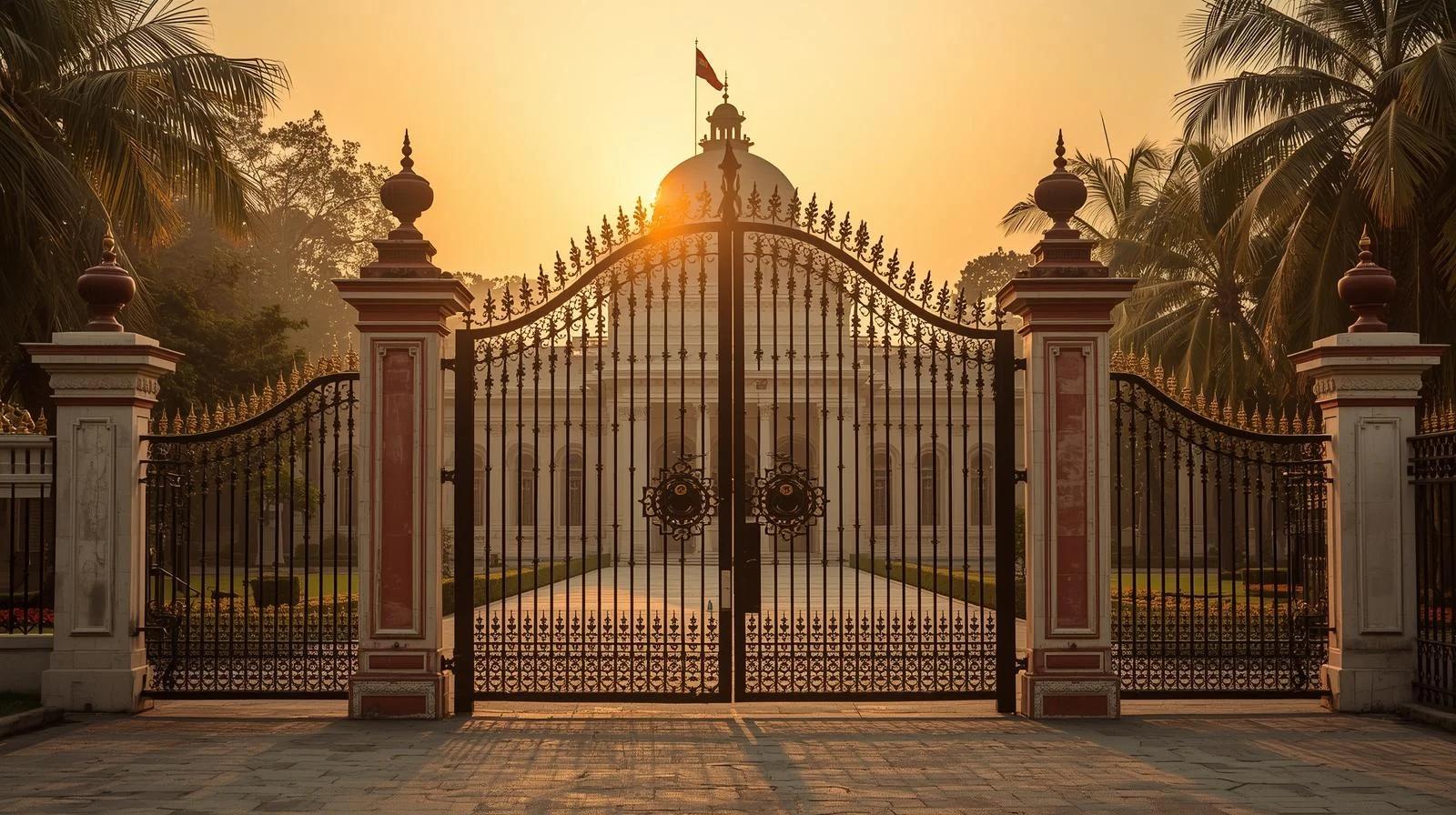
Government Estate—including 156-acre Raj Bhavan and 683-acre Guindy National Park—represents Chennai's green inequality as prime central forest land remains fenced and restricted to government use while surrounding neighborhoods suffer concrete landscapes, creating an isolated ecological island and symbol of urban segregation where nature is privilege, not public right.
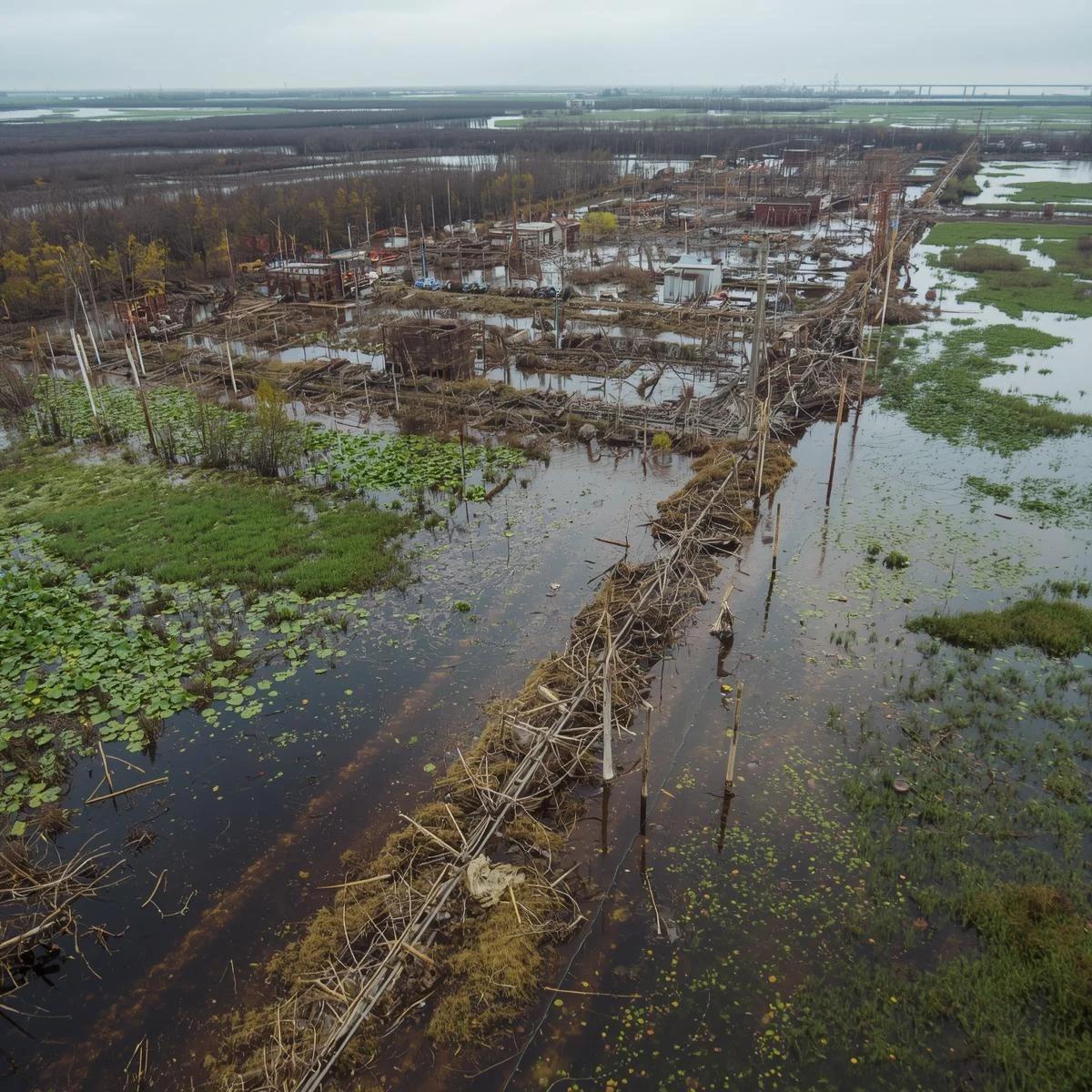
Tiruverkadu's rapid suburban expansion is destroying critical wetlands that provided natural flood protection, creating severe monsoon flooding, infrastructure strain, and environmental collapse as residential construction fills water retention areas without environmental assessments or sustainable planning.
Thiruninravur—a rapidly expanding northern satellite town—faces severe water scarcity from groundwater depletion, emerging traffic congestion, overcrowded schools, and inadequate sewage and drainage systems as thousands of housing units are built without master planning or infrastructure coordination.
Thirumangalam's metro station—meant to improve connectivity—has triggered rapid development driving property values up 30-40% annually, displacing long-term residents through gentrification while creating traffic congestion and infrastructure strain despite the transit access it provides.
Surapet—a peripheral northern Chennai working-class community—suffers systematic neglect with crumbling roads, inadequate drainage causing severe flooding, inconsistent water supply, limited bus service isolating residents from jobs, and insufficient schools and healthcare, perpetuating poverty cycles.