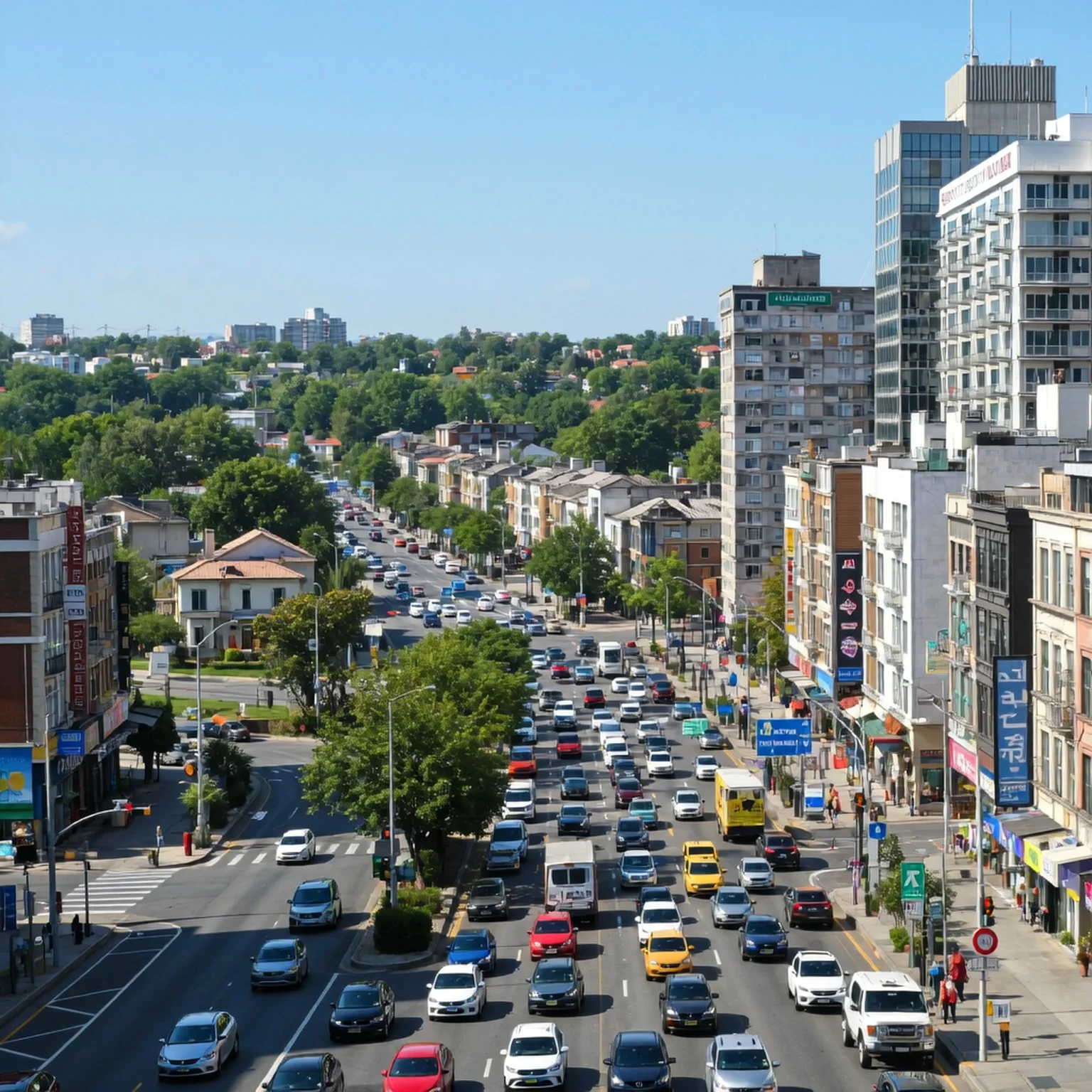
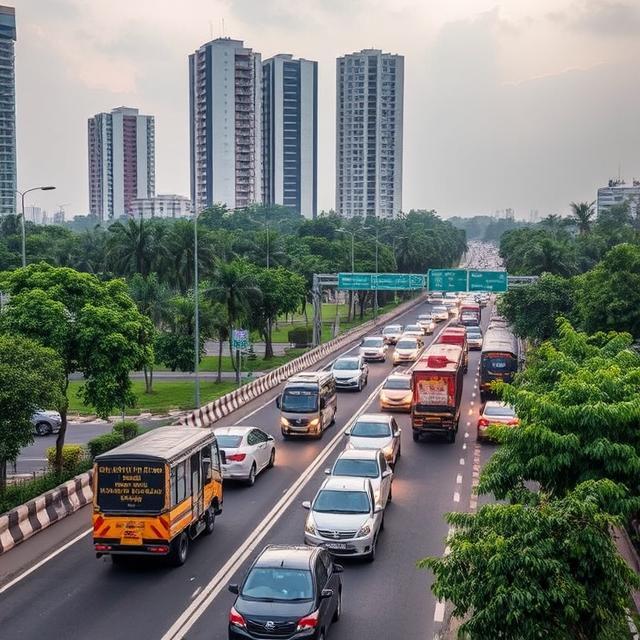
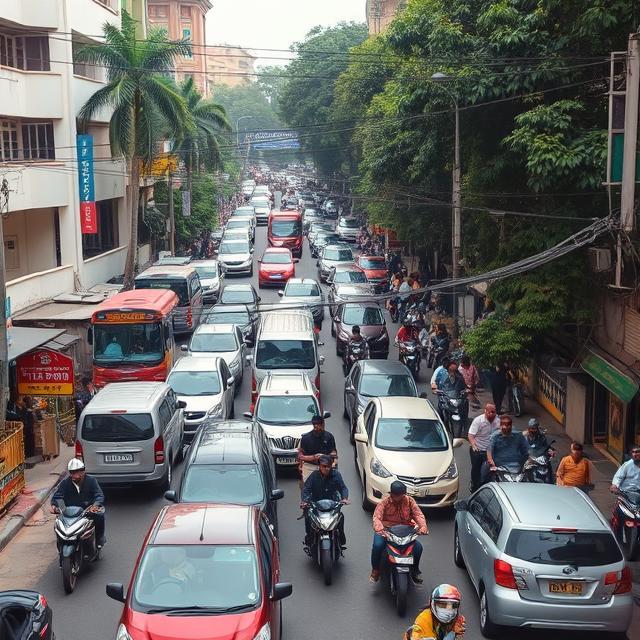
Virugambakkam's mid-city location creates development pressure—commercial encroachment, traffic congestion, rising rents, and disappearing green spaces threaten to destroy the neighborhood's residential character and force out long-time residents without comprehensive planning to maintain balance.
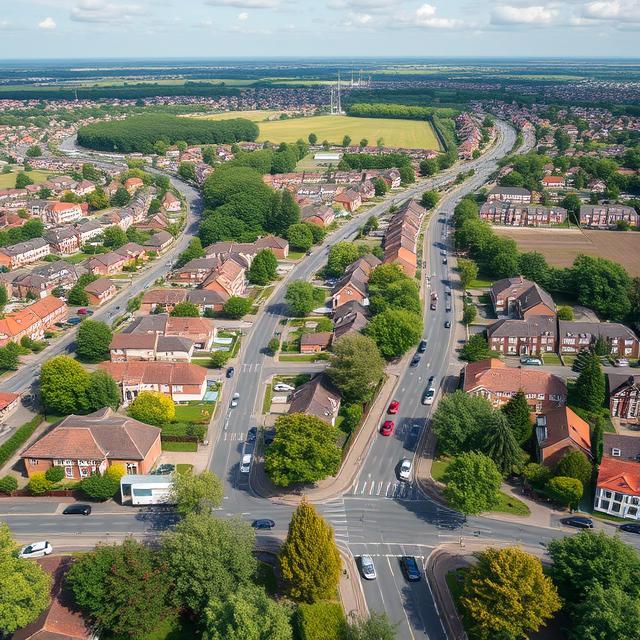
Villivakkam's rapid suburban growth—driven by families seeking affordable housing—is creating unplanned sprawl with traffic congestion, overcrowded schools, insufficient water supply, and disappearing green spaces as infrastructure lags years behind population increase.
Vyasarpadi's role as a major railway junction subjects residents to constant train noise, multiple daily level crossing delays trapping traffic, deteriorating housing near tracks, and infrastructure neglect—making life unbearable for the working-class community keeping Chennai's trains running.
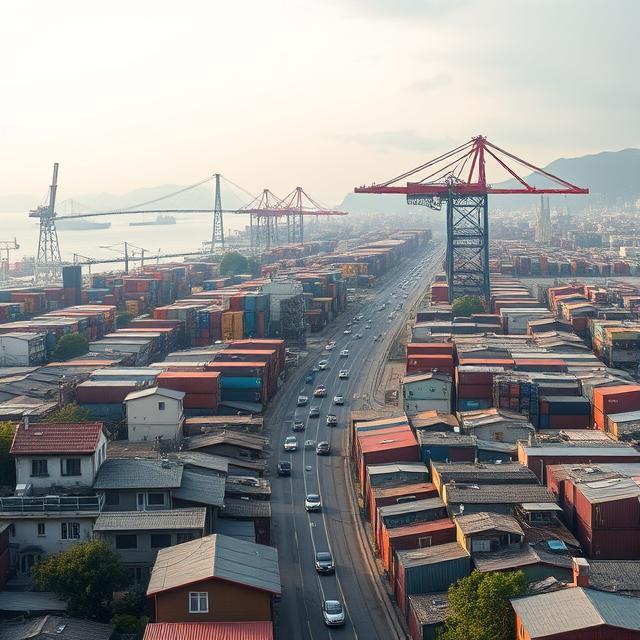
Tondiarpet's working-class community—living near Chennai Port and industries—suffers from severe industrial pollution, heavy truck traffic, deteriorating housing, and inadequate services, bearing the health costs of Chennai's industrial economy without protection or investment.
Tharamani's IT corridor success—with TIDEL Park and Cyber City employing thousands—created infrastructure collapse as rapid development overwhelmed roads, transit, and services, leaving tech workers spending hours in traffic on the perpetually congested OMR.
T. Nagar's success as Chennai's shopping capital—with India's highest vehicle density at 2,093 vehicles per kilometer—has created unbearable traffic congestion that even a ₹165 crore flyover couldn't fix, driving residents away despite being a commercial hub.